Understanding NC General Contractor Licensing Requirements
When you're planning a home repair project in Fayetteville, one of the first questions you should ask is whether your contractor needs a state license. North Carolina has specific rules about who must be licensed, and understanding these requirements protects you from hiring someone operating illegally and ensures the work meets building codes.
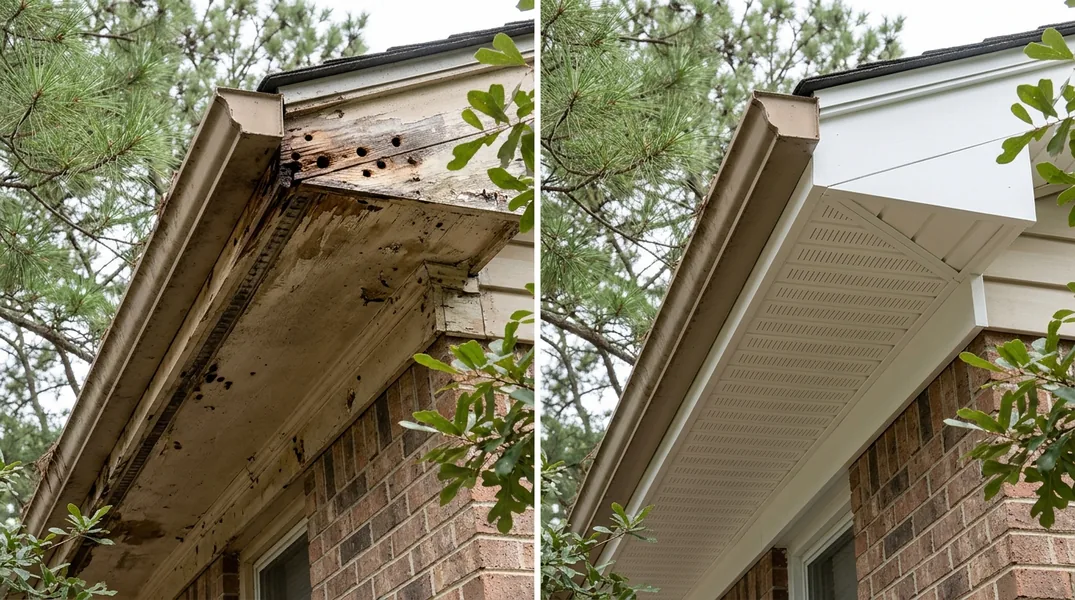
In North Carolina, a general contractor license is required once a project's value reaches a dollar threshold set by state law. The North Carolina Licensing Board for General Contractors publishes the current figure, and smaller projects may fall below it. However, the rules vary depending on the type of work being performed. Some specialized trades, such as electrical and plumbing work, require licensing regardless of project cost. When you're hiring a carpenter in Fayetteville for repairs like Wood Rot & Dry Rot Repair or Floor Joist & Subfloor Repair, it's worth checking where your specific project stands against that threshold.
The North Carolina Licensing Board for General Contractors enforces these regulations to maintain industry standards and protect homeowners. Insured contractors have demonstrated competency, maintain insurance, and are held accountable for their work through the licensing system. This accountability is one of the main reasons licensing exists, and it's a significant advantage for you as a homeowner.
How to Check Contractor License NC: A Step-by-Step Guide
Before signing any contract, you should always verify that your contractor holds a valid license if one is required for your project. Fortunately, checking a contractor license in North Carolina is straightforward and free. The North Carolina Licensing Board for General Contractors maintains a public database where you can search for insured contractors by name, license number, or company name.
To check a contractor's license status, visit the North Carolina Licensing Board's official verification system online. You'll be able to see whether the license is active, what type of license they hold (residential, commercial, or both), and any disciplinary history. This public record is designed to give homeowners transparency and confidence in their hiring decisions. If a contractor claims to be licensed but doesn't appear in the database, that's a red flag. Never proceed with someone who can't provide proof of an active license when one is required.
When you contact Fayetteville Carpentry or any other contractor, don't hesitate to ask for their license number and verify it yourself. A reputable contractor will welcome this verification because they have nothing to hide. You should also ask about their insurance coverage, bonding, and references from previous clients. These steps take only a few minutes but can save you thousands of dollars and significant headaches down the road.
Carpenter vs. General Contractor: What's the Difference?
Many homeowners use the terms 'carpenter' and 'general contractor' interchangeably, but they're not the same thing. Understanding the distinction helps you know what credentials to expect and whether licensing applies to your project. A carpenter is a skilled tradesperson who specializes in woodworking and structural carpentry work. Carpenters install framing, trim, doors, windows, and perform repairs involving wood components. A general contractor, by contrast, oversees entire construction projects, coordinates multiple trades, obtains permits, and manages timelines and budgets.
In North Carolina, whether a carpenter needs a general contractor license depends on the value and scope of the project, and the Licensing Board can tell you what applies to yours. However, if a carpenter is acting as a general contractor (meaning they're managing the overall project, hiring subcontractors, or the job value is above the state threshold), the general contractor license rules apply. This is an important distinction because it determines what regulatory oversight applies.
For specialized carpentry work like Termite Damage Repair or Beam Replacement & Load-Bearing Wall Removal, you need someone with both carpentry expertise and, if applicable, the proper general contractor license. When you're evaluating contractors for your project, ask them specifically about their credentials and what licenses they hold. This conversation clarifies whether they're qualified for your particular job and whether they're operating within North Carolina's legal requirements.
Why Hiring a Insured Contractor Matters for Your Home
Hiring a licensed contractor provides legal protections and quality assurance that unlicensed work simply cannot offer. Ask any contractor, licensed or not, how their crew is insured. If something goes wrong on your property, you want recourse through the contractor's insurance rather than being stuck with the bill yourself. An unlicensed contractor might seem cheaper upfront, but one accident or a botched repair could cost you far more in the long run.
Insured contractors also must comply with North Carolina's building codes and permit requirements. Building permits exist to ensure that structural work, electrical installations, and other critical repairs meet safety standards. When you hire an unlicensed contractor who skips the permit process, you're putting your home's safety at risk and potentially creating problems when you sell the property. Buyers' inspections often uncover unpermitted work, which can kill a sale or require expensive remediation before closing.
Additionally, insured contractors are subject to disciplinary action if they violate industry standards or fail to deliver promised work. This accountability gives you leverage if a dispute arises. You can file a complaint with the North Carolina Licensing Board, and they have authority to investigate and take action. With an unlicensed contractor, your only recourse is small claims court, which is costly and time-consuming. For peace of mind and protection, choosing a licensed contractor is always the smarter choice.
Finding a Licensed Carpenter in Fayetteville: What to Ask
When you're ready to hire a carpenter for your home repair project in Fayetteville, knowing what questions to ask separates informed homeowners from those who end up with problems. Start by asking whether your project requires a general contractor license based on its scope and estimated cost. If it does, verify the contractor's license through the North Carolina Licensing Board database before proceeding. Ask for their license number, their insurance details, and references from at least three recent projects similar to yours.
Beyond licensing, inquire about their experience with your specific type of repair. If you need Wood Rot & Dry Rot Repair, ask how many years they've been handling moisture damage and structural wood issues. Ask about their process for diagnosing problems, whether they'll obtain necessary permits, and how they handle unexpected issues that might arise during the work. A professional contractor will be transparent about their methods and happy to explain their approach in detail.
Finally, get everything in writing. Your contract should specify the scope of work, timeline, total cost, and payment schedule. It should also outline what happens if the project runs over budget or timeline. When you're ready to get started, Fayetteville Carpentry is here to help. We're a local carpentry team serving Fayetteville with expertise in wood rot, structural repairs, and all types of carpentry work. Call us at (472) 202-5534 or request a free estimate to discuss your project today.
Next Steps: Getting Your Project Started the Right Way
Now that you understand NC general contractor licensing requirements, you're equipped to make a smart hiring decision. Review your project scope and estimated cost to determine whether a general contractor license is required. If it is, verify that any contractor you're considering has an active, valid license through the North Carolina Licensing Board. If it's not required, still ask for proof of insurance and references from recent jobs.
Don't delay addressing structural or water damage issues in your home. The longer wood rot or termite damage goes untreated, the more extensive and expensive the repairs become. If you're in Fayetteville and need professional carpentry services, reach out to Fayetteville Carpentry today. We're fully insured and committed to delivering quality work on every project. Contact us at (472) 202-5534 to schedule your free estimate and get your home in top condition.
Looking for a professional carpentry contractor in Fayetteville? Fayetteville Carpentry responds fast for all your carpentry needs.
Get a Free QuoteOur services: Wood Rot & Dry Rot Repair · Termite Damage Repair · Floor Joist & Subfloor Repair